

Family vacation to Maine
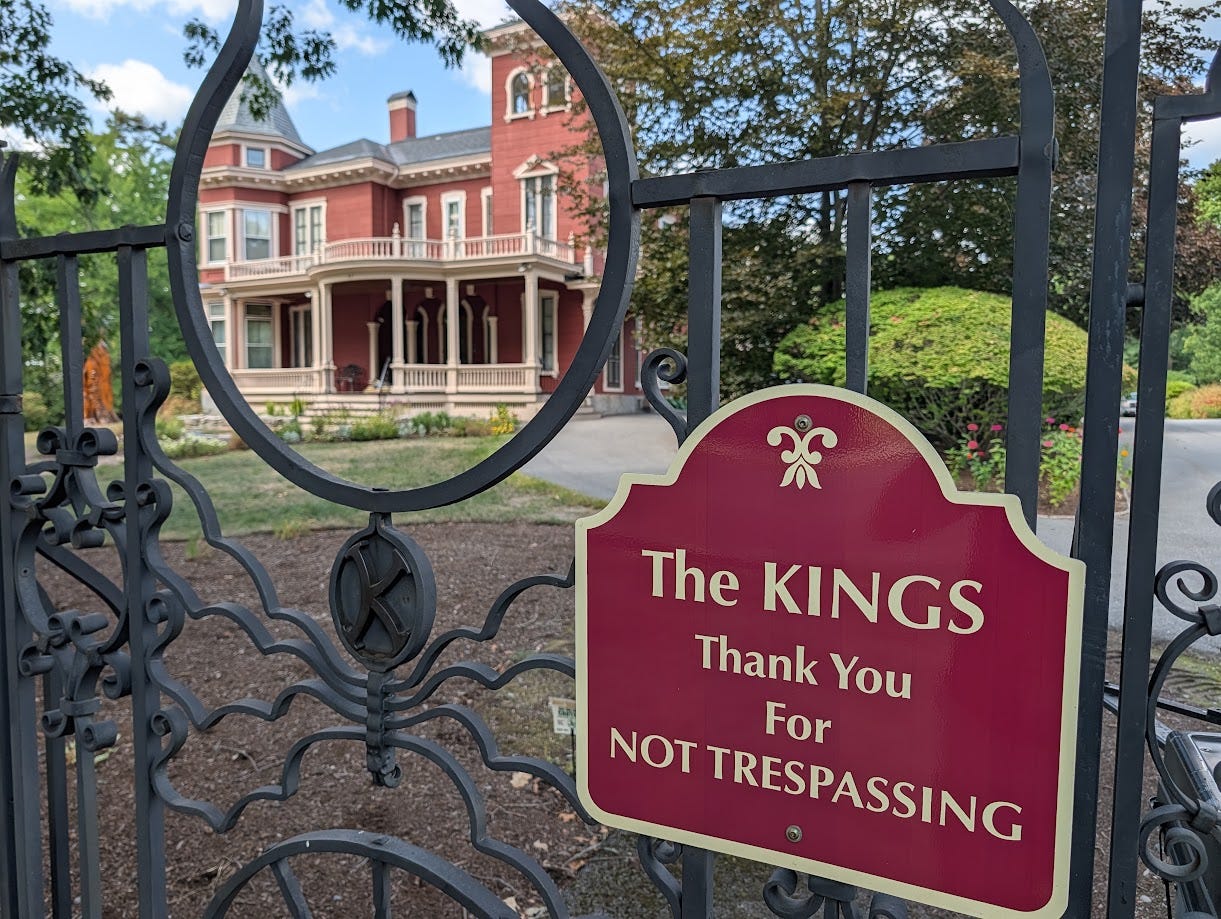
The start of this month saw my family and me taking a loooong road trip up north to Maine, by way of Rhode Island. Overall it was a delightful time of sightseeing and delicious seafood and time well spent with the family. You can read more about the details in my ongoing mini-series here.
What I watched
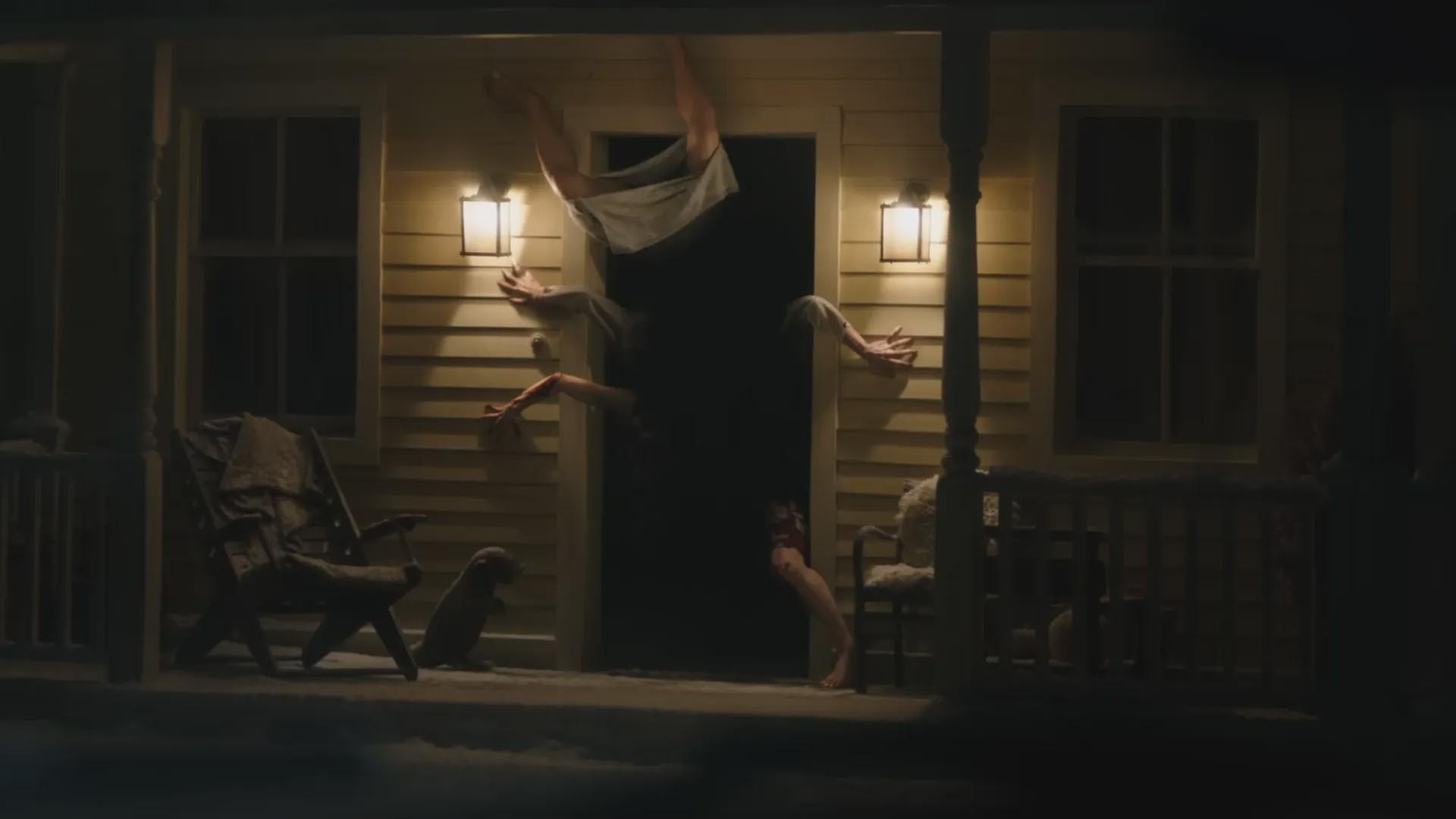
Resident Evil (2026) - one of the few movies I watched this month was Zach Cregger’s new Resident Evil movie. His approach was to make a game that feels like the game but doesn’t necessarily take any story cues from it. And for that, he absolutely nailed it. My main complaint is that the story does feel very “get from point A to point B by way of C” and feels kind of bare-bones as a result.
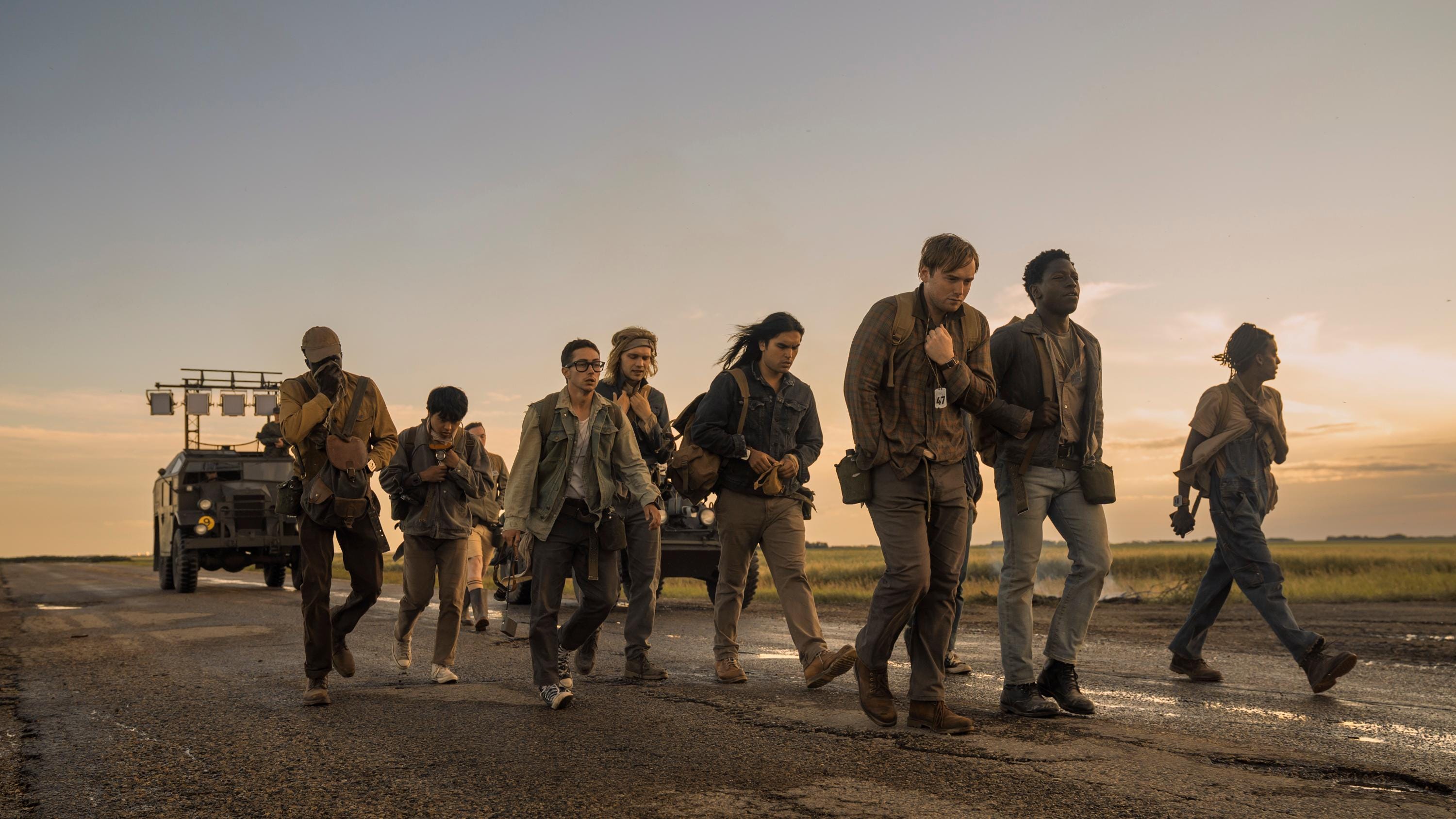
The Long Walk (rewatch) - I also decided to rewatch this one, this time with my wife. My thoughts from when it came out remain pretty much unchanged: it’s an extraordinary adaptation of a book that shouldn’t work this well on screen, but the choice to change the ending was baffling and nearly ruins the entire thing.
What I read
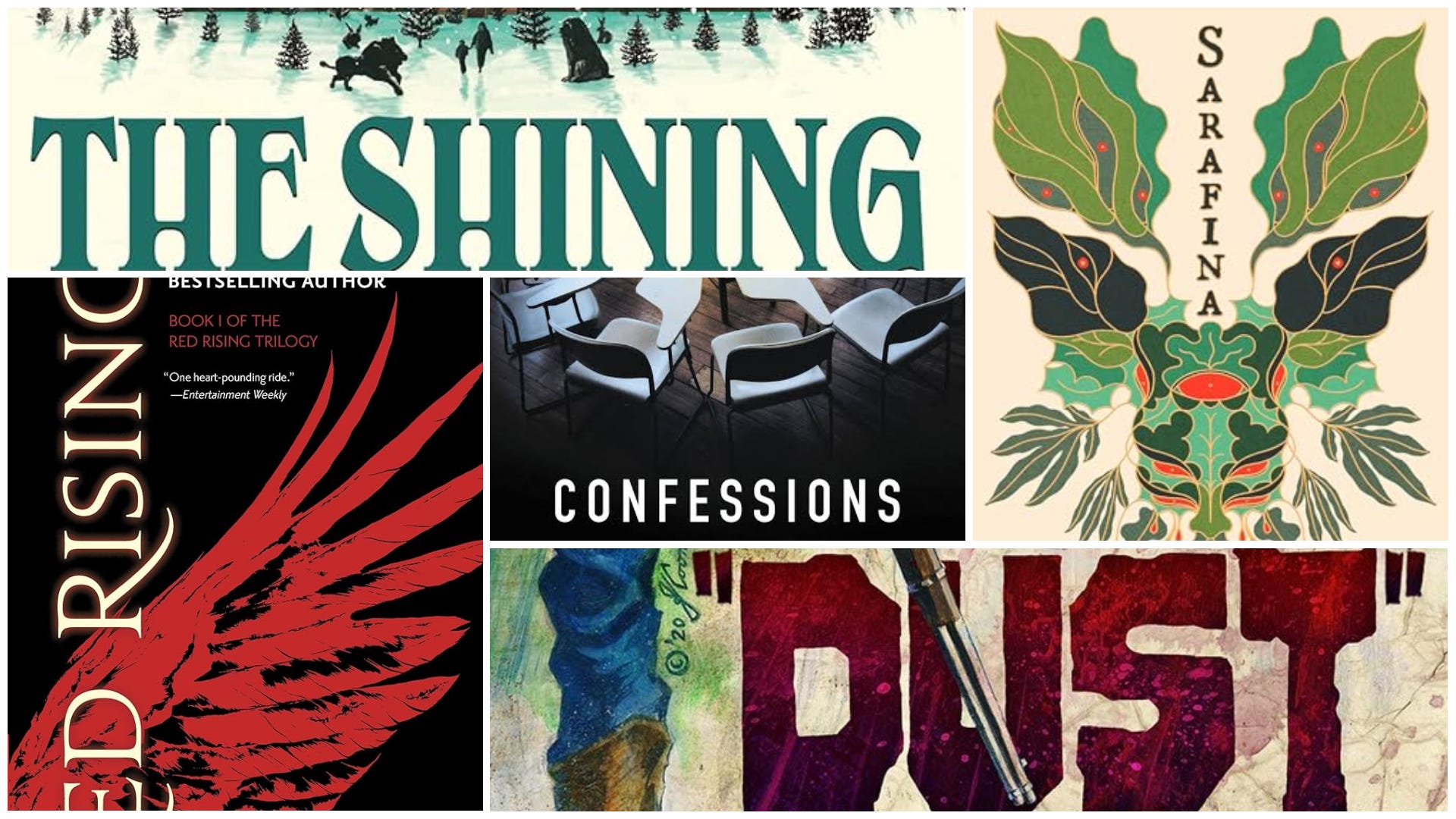
The Shining by Stephen King - On our trip to Maine we decided to listen to a Stephen King book to pass the time driving. I can definitely see why it’s one of King’s more popular works (adaptations aside) because he does a great job at establishing the setting of the Stanley Hotel and the horrors within. I do think, however, that the book does succumb to some of King’s typical faults in that he goes on some weird side-tangents that do little to inform the plot of the book and that the end is a bit abrupt and doesn’t feel satisfying. I can see why Kubrick made the changes he did.
Dust by Chris Miller - A strange gunslinger travels the American west looking for a hidden town under the influence of an eldritch god while being tailed by a group of outlaws.
This was my second attempt at reading a “splatter western” and while I did not really enjoy this one either, I do think it was better than the one I read last month. The structure and character’s motivations are much more clear here, but it does end up reading like throwaway pulp nonsense.
Confessions by Kanae Minato - A story of a teacher’s vengeance against the kids who caused the death of her daughter unfolds through the perspectives of several people involved in the act.
The introductory chapter hits REALLY hard in this one, but one of the downsides to the Rashomon-style perspective shifts is that the book ends up repeating itself one too many times. By the end I was kind of sick of it.
Sarafina by Philip Fracassi - Three brothers on the run after deserting the Confederate Army during the American Civil War take refuge in the house of a witch in the woods.
I was surprised during the first half of this book how invested I was in the non-horror elements of the story. At almost exactly the 50% mark it takes a nosedive into some pretty gnarly body horror but in my opinion doesn’t stick the landing.
Red Rising by Pierce Brown - Set in a future Mars colony, society is stratified into a color-coded system based around profession and aptitude. A lowly “red” miner enacts a plan to infiltrate the lofty “golds” and sew discord among the ranks.
This first book in the series feels like one of the myriad attempts to cash in on the YA craze that came with The Hunger Games. A lot of the sci-fi elements feel really tacked-on and most of the characters one-dimensional, but I can’t deny that I was thoroughly invested in the war games they play that takes up the majority of the novel. I’ll probably pick up the second book at some point but I admit that I don’t feel rushed to do so.
What I played
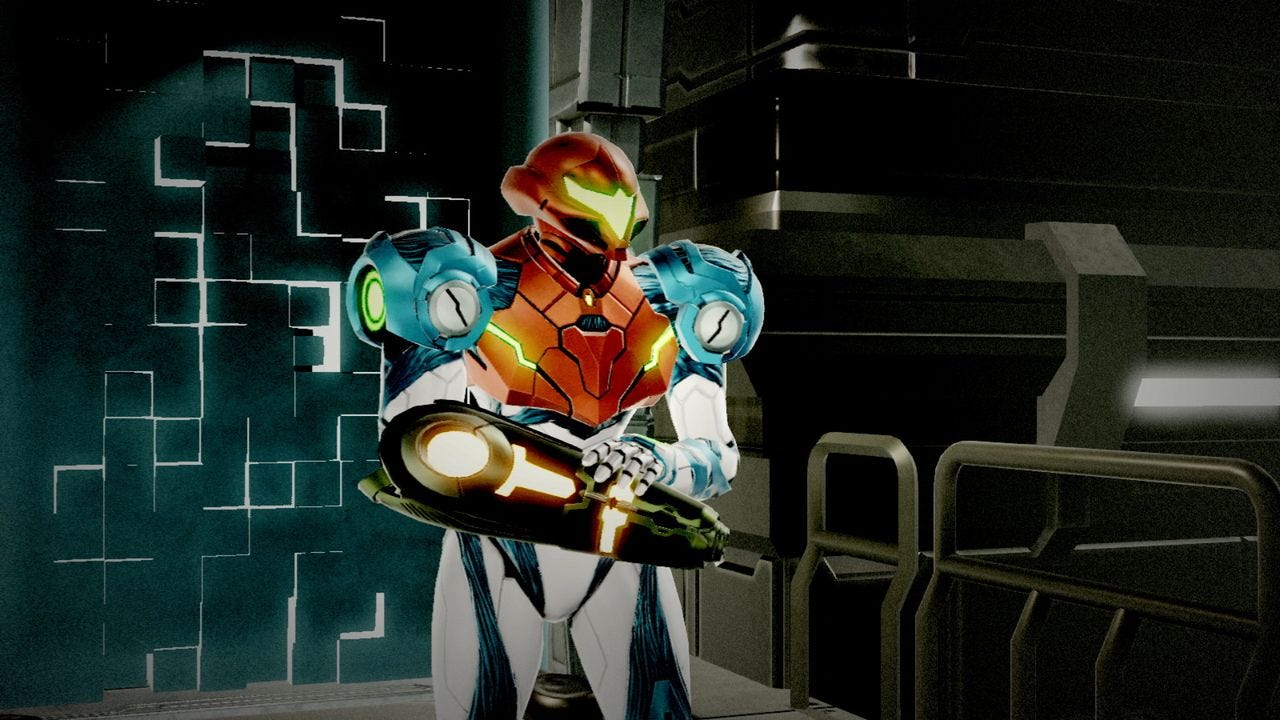
Metroid Dread - In preparation for the newly announced sequel Metroid Ravenous, I decided to pick this up again as I bounced off it initially. This time I feel I’m at least 75% through the game with a decent chunk of the collectibles found. I still have issues with the forced stealth EMMI areas, but I found myself dealing with them much better this time around. There have also been a few boss fights that feel like pure chaos (and not in a good way) that were very frustrating to get past.
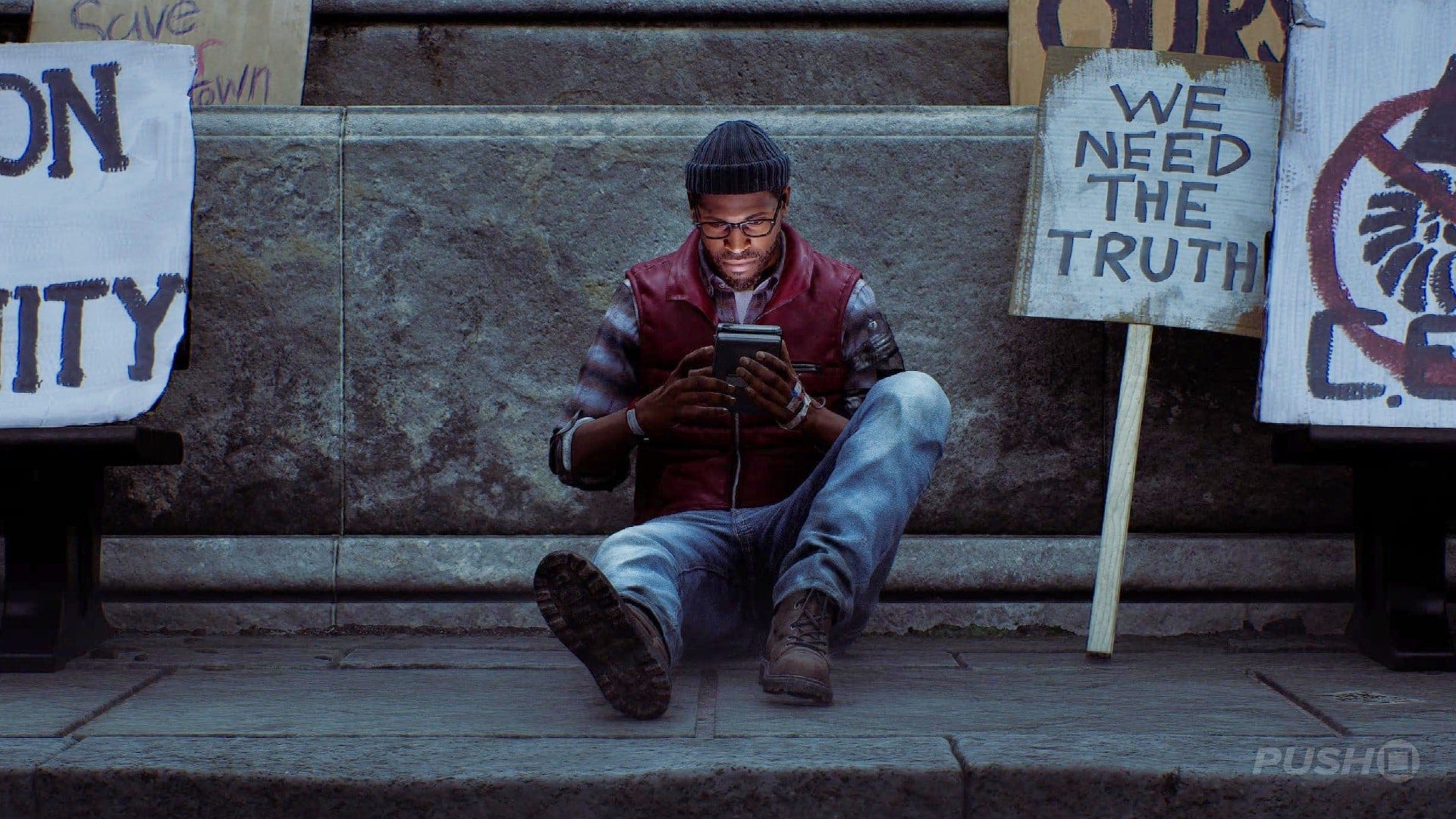
Silent Hill: Townfall - While I wait for Control Resonant to get its physical release in October, I decided to pick up this newest entry in the Silent Hill franchise to pass some time. Along with 2025’s Silent Hill f, Townfall takes the series in a completely different direction, this time taking place in a small fictional Scottish coastal town that has been torn asunder by an unknown event. Protagonist Simon is seemingly called back to this town to “make things right” and finds it overrun with horrors.
I finished this game in less than a week, clocking in my first run at almost exactly 10 hours. I thought the puzzles were excellent and very satisfying, especially when compared to SHf. The combat and stealth bits, however, could’ve used a bit of work. This is the first first-person game in the series and, while it definitely added to the creepy atmosphere, it makes the combat feel flat and the stealth very frustrating. I’m actually convinced there is something fundamentally wrong with the stealth detection in encounters with the game’s boss enemy that will be hopefully patched in the future.
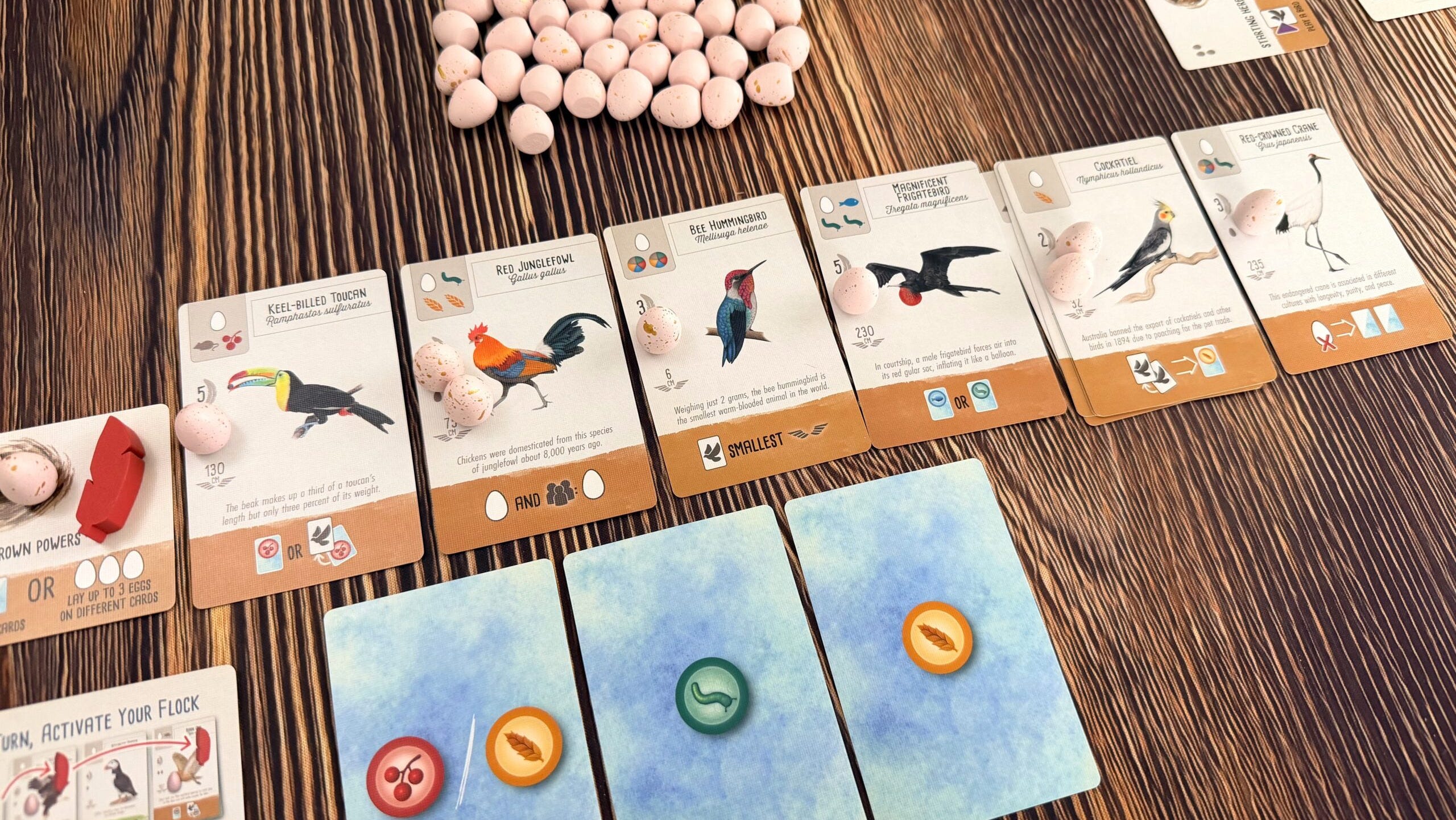
Wingspan Pocket - The biggest (or literally, smallest) board game I played this month was the new bite-sized “de-make” of the bird-collecting game Wingspan. In this pocket edition, the gameplay of the original is distilled down to playing birds into a single row rather than three in the original game, eschewing the different bird biomes for a faster and more succinct game. Playing in usually just a half-hour or so, this game has already made it to the table several times this month and does a great job of capturing the feel of the original game with a lot of the fluff cut out.
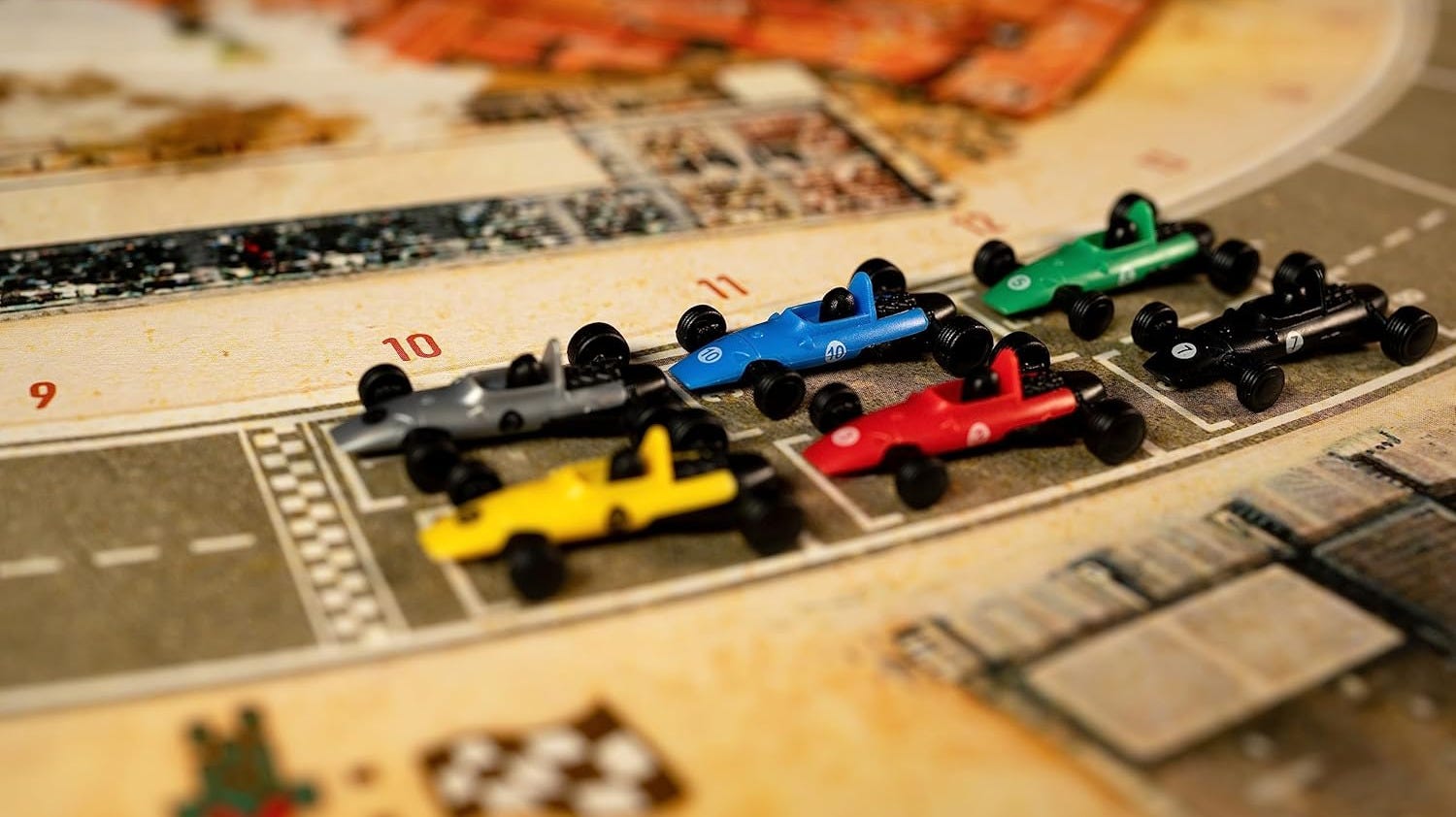
Heat: Pedal to the Metal - The other game I picked up this month I got on clearance due to a slightly damaged box. In Heat: Pedal to the Metal, players race in 60s-era Formula One cars in a deck/hand-management game. It was a huge hit when it came out in 2022 but for one reason or another I had zero interest in it. I’m glad I was able to get the opportunity to play this because I think it’s currently my favorite racing game. It’s surprisingly easy to teach and play, with only a few core mechanics to keep in mind, mostly revolving around the concept of “heat”.
During a turn, you shift gears which ultimately dictates how many speed cards, ranging from 0-5 you can play. Putting stress on your engine by boosting or taking a curve too quickly forces heat cards into your deck, which gum up your hand and can only be removed by applying cooldown, which typically comes from more conservative play like downshifting or staying in the back of the pack. The game is a constant battle with risk/reward as you decide when to push your car and when to back off. The game also includes some expansion modules for advanced play that can add a bit of asymmetry to players’ cars, customizing cards in your starting deck to manipulate different aspects of the game. I think this game is going to get a decent bit of play, especially with my nephew.